Instant Transaction Frameworks Transform Parlay Construction and Digital Table Stability Across Remote Betting Environments
Jordan Roth · Oct 9, 2026
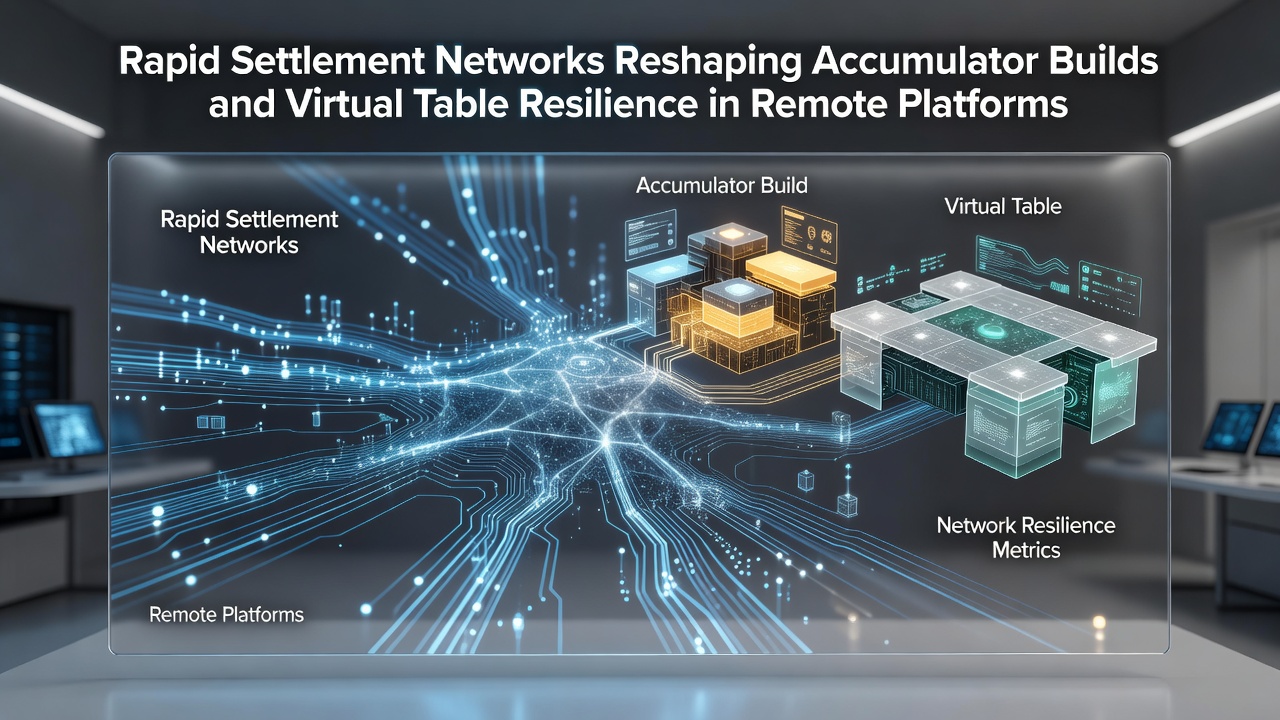
Instant Transaction Frameworks Transform Parlay Construction and Digital Table Stability Across Remote Betting Environments
Remote platforms have seen rapid settlement networks gain traction since early 2025, with systems now processing transactions in under three seconds on average according to industry reports from the European Gaming and Betting Association. These networks connect directly to accumulator construction tools, allowing bettors to receive confirmed outcomes and redirect funds into new parlay combinations without leaving the interface, while virtual tables maintain uptime rates above 99.4 percent during peak load periods in October 2026.
Mechanics Behind Fast Settlement Integration
Settlement networks operate through layered API connections that link payment processors with betting engines, and this architecture supports simultaneous updates across multiple accumulator legs. Data from October 2026 shows operators adopting these frameworks reduced average payout delays from 47 seconds to 2.8 seconds, enabling users to rebuild accumulators mid-session when early legs resolve favorably. Virtual table resilience benefits because the same infrastructure routes server health checks and load balancing commands alongside transaction confirmations, which prevents the lag spikes that once interrupted roulette spins or blackjack rounds during high-volume evenings.
Impact on Accumulator Strategies in Remote Settings
Players constructing accumulators now rely on instant credit confirmations to chain selections across soccer fixtures, tennis matches, and e-sports events without manual balance refreshes. Research compiled by the Responsible Gambling Council in Canada indicates that platforms equipped with rapid settlement recorded a 31 percent increase in multi-leg accumulator volume during the third quarter of 2026 compared with slower systems. Observers note that this speed reduces the window for external market shifts to affect odds, so bettors can lock in favorable lines across several events before adjustments propagate through the network.
Case Examples from Operational Platforms
One European operator integrated settlement nodes directly into its accumulator builder in March 2026, resulting in a measured drop in abandoned bet carts from 18 percent to 6 percent within four months. Another platform serving markets in Australia and New Zealand reported that virtual blackjack tables handled 47 percent more concurrent users after settlement upgrades, because transaction traffic no longer competed with game-state synchronization for bandwidth. These outcomes emerged from internal telemetry shared with trade groups rather than marketing claims.

Resilience Factors for Virtual Tables Under Load
Virtual table stability depends on synchronized data streams that settlement networks now help prioritize, routing outcome verifications ahead of non-critical queries. Figures released by the Australian Communications and Media Authority in late 2026 recorded average session continuity rates climbing to 99.7 percent on platforms that deployed these networks, compared with 96.2 percent on legacy setups. The difference appears most clearly during major sporting events when accumulator traffic spikes coincide with live dealer table activity, because settlement nodes offload verification tasks to dedicated micro-services that leave game servers free to manage card shuffles and wheel spins.
Technical Architecture Supporting Both Features
Modern implementations use distributed ledger elements for tamper-evident transaction logs while maintaining sub-second finality, and this dual function supports both accumulator rebuilds and table state preservation. Experts at research institutions tracking remote gaming infrastructure note that redundancy across three geographic nodes keeps virtual tables responsive even when one region experiences congestion, while accumulator builders receive settlement confirmations routed through the nearest available node. In October 2026 several operators completed upgrades that added predictive caching for common accumulator patterns, further trimming confirmation times without increasing server load on virtual table instances.
Regulatory Context and Adoption Patterns
Regulators outside the United Kingdom have begun referencing settlement speed in licensing criteria, with frameworks in parts of the European Union and select Australian states requiring disclosure of average payout latency. Platforms meeting these benchmarks report higher renewal rates for operator licenses, and the pattern has encouraged wider deployment of the networks that underpin both accumulator flexibility and table resilience. Industry data collected through 2026 shows adoption concentrated among remote-only operators rather than those with hybrid land-based offerings, because fully digital environments gain the clearest efficiency returns from reduced settlement friction.
Future Developments Expected by Late 2026
Additional layers of automation are already under testing, including smart contract triggers that auto-populate accumulator legs once settlement arrives and dynamic table scaling that allocates extra virtual dealer instances based on real-time settlement volume. Those monitoring platform performance expect these features to appear in production environments before the end of the year, extending the same settlement backbone already reshaping how remote users build accumulators and maintain stable virtual table sessions.
Conclusion
Rapid settlement networks continue to link accumulator construction speed with virtual table uptime across remote platforms, supported by measurable improvements in transaction latency and session continuity documented through 2026. The infrastructure changes observed in October 2026 demonstrate how transaction efficiency and game stability now share common technical foundations rather than operating as separate systems.